


Health Sector Strategic Plan 2023-2030: Reforming for Universal Health Coverage
Malawi's Health Sector Strategic Plan III (HSSP III) outlines strategies to build upon previous progress and accelerate towards achieving Universal Health Coverage (UHC) targets by 2030. Developed through extensive consultation, it focuses on improving health status,...
Malawi National Health Financing Strategy 2023-2030
Malawi is committed to attaining Universal Health Coverage (UHC), aiming to improve access to healthcare services without imposing excessive financial burdens on its citizens. Aligned with international commitments such as the Sustainable Development Goals, Malawi has...
Investing in health: Navigating financing challenges of the post-COVID world
Despite fiscal constraints and shifting priorities, investing in health, through initiatives like the upcoming Health Financing Forum, is valuable for strengthening health systems and advancing universal health coverage in a post-COVID world says this blog published...

The Economics Behind Health and Equity
Country-specific approaches to financing health systems and vaccines in the Middle East and North Africa (MENA) region can improve health outcomes while reducing out-of-pocket expenditure - Salzburg Global SeminarMENA Health Financing: The Middle East and North Africa...
The cost of inaction on health equity and its social determinants
Investments in social determinants can offset declines in human capital and reduce the risk of costly syndemics, while also ensuring fair access to healthcare innovations.The BMJ Global Health article underscores the urgency of investing in health equity and its...
Pandemic Response: Understanding Day Zero Financing
Day Zero Financing, a global security initiative to ensure sufficient pre-committed funds, will ensure immediate funds for pandemic response, fostering global health security and equity. The concept of Day Zero Financing is introduced as a proactive approach to global...
The impact of health insurance on maternal and reproductive health service utilization and financial protection in low- and lower middle-income countries
Health insurance expansion positively impacts maternal and reproductive health service utilisation but lacks evidence for postnatal care, contraception access, and financial protection in low- and lower-middle-income countriesAmidst efforts to achieve universal health...
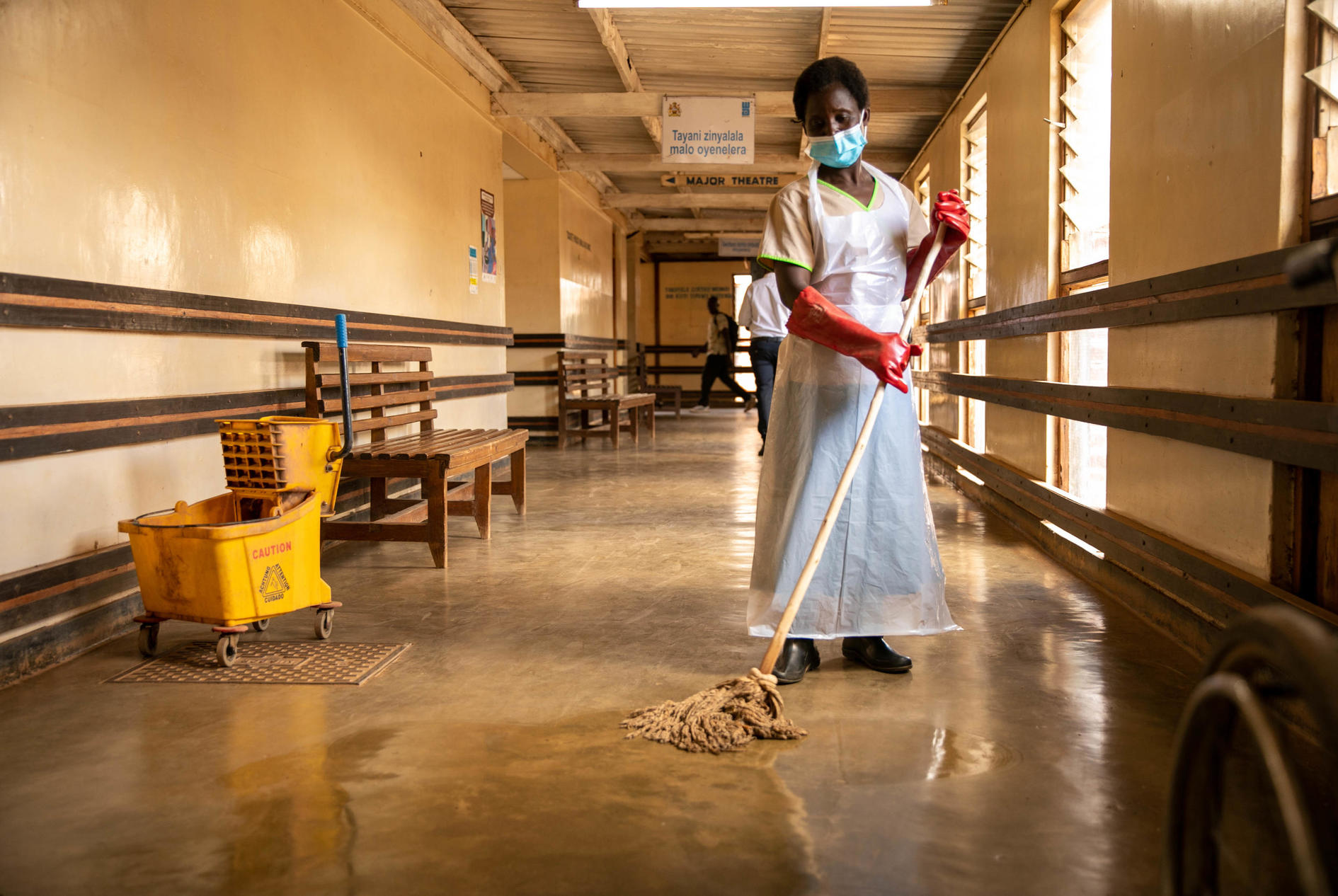
Impact of poor hospital WASH on health & economy
A series of reports by WaterAid explores the severe economic and health consequences of lack of basic water and hygiene services in healthcare facilities for low- and middle-income countries. WaterAid's latest research highlights the dire consequences of insufficient...

Nigeria’s $18B healthcare landscape: Partnering for sustainable health financing.
With its growing population and substantial healthcare market, Nigeria's health sector aims to tackle health systems challenges through strategic partnerships for sustainable health financing. One such collaboration is with the Netherlands, which shows progress...

Pandemic Finance and Global Health Regulations
Urgency mounts to finalise Pandemic Agreement & IHR revisions amid financing challenges for global health security. As the ninth session of the Inter-governmental Negotiating Body (INB9) concludes and the 2024 World Health Assembly (WHA) looms, the imperative to...
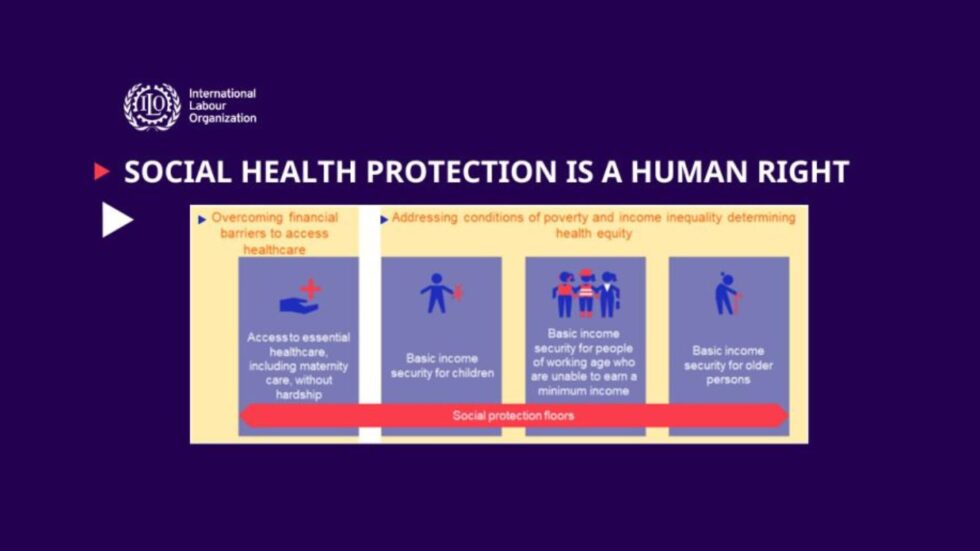
ILO toolkit on social health protection
The ILO recently launched a Toolkit on Social Health Protection, emphasising universal access to affordable, quality healthcare and financial protection during illness, injury, and maternity.Rooted in a rights-based approach, the toolkit provides practitioners and...
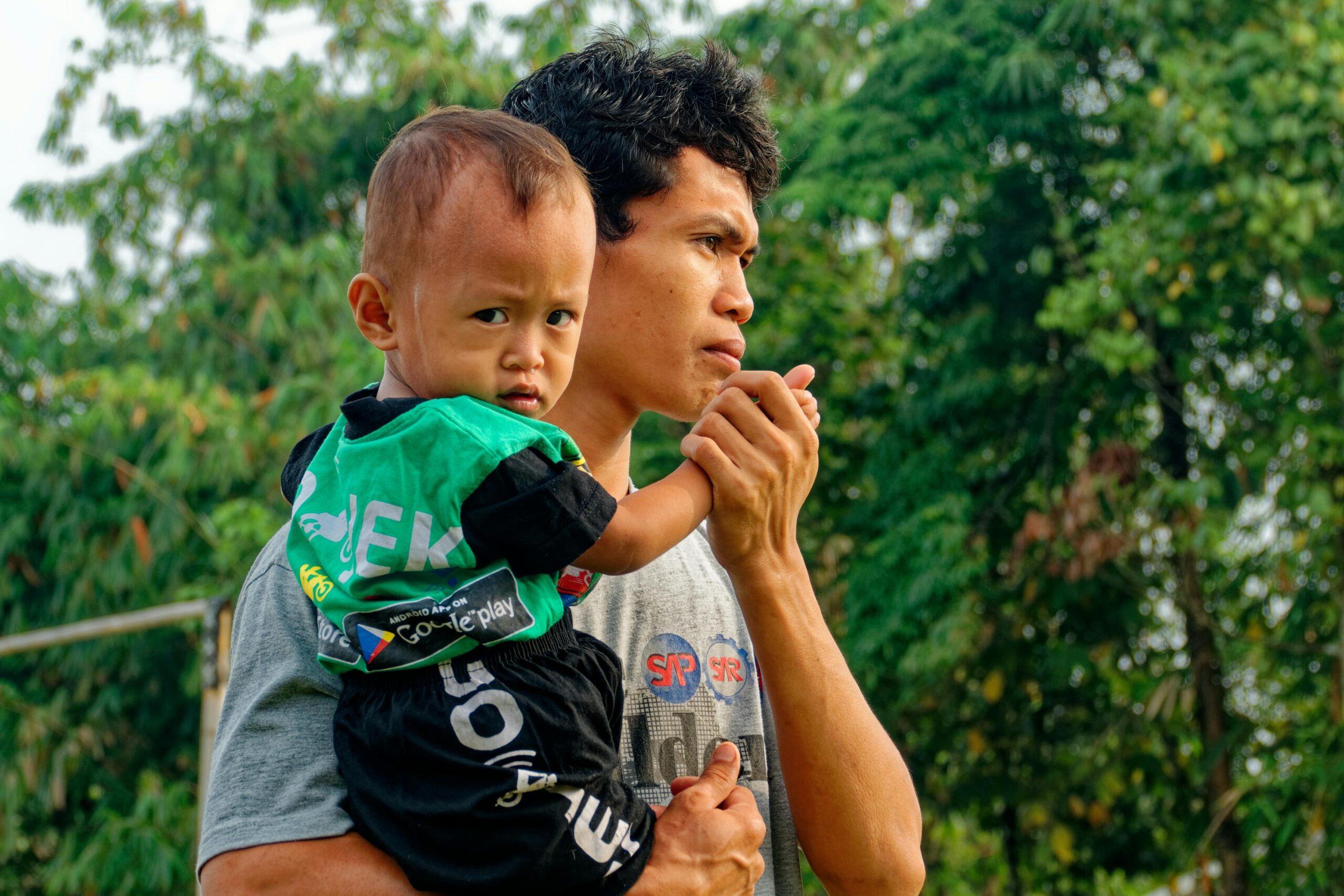
Indonesia has reached 95.77 % of health insurance population coverage
In Indonesia, health insurance population coverage has reached to 95.77% in 2023, aligning with a goal set in the 2024 National Medium-term Development Plan.The population coverage target for 2024 is 113 million people insured with full premium subsidies by the state...
Unintended consequences of healthcare reform in South Korea: evidence from a regression discontinuity in time design
This study aims to evaluate the effects of transitioning from an outpatient copayment system to a coinsurance system in 2007 on outpatient healthcare utilization and expenditures in South Korea. Results indicate a significant rise in outpatient healthcare utilization...
Has South Korea achieved the goals of national health insurance? Trends in financial protection of households between 2011 and 2018
This study examines the progression of households’ financial protection against out-of-pocket expenses in the Korea's health system, alongside policies aimed at expanding disease-targeted benefits under the national health insurance. Findings reveal that the incidence...
Examining multiple funding flows to public healthcare providers in Burkina Faso, Kenya, Morocco, Nigeria, Tunisia and Vietnam
This study examines multiple funding flows and describes the potential effect of multiple payment streams on healthcare provider behaviour in low- and middle-income countries.Findings from case studies conducted in Burkina Faso, Kenya, Morocco, Nigeria, Tunisia, and...