


Vacancy: GIZ seeks Specialist in Health Financing (with a P4H role) in Tashkent, Uzbekistan
Join Deutsche Gesellschaft für Internationale Zusammenarbeit (GIZ) GmbH in Tashkent as a Specialist in Health Financing and actively engage in the P4H Network as a Coordination and Technical Exchange Team member.Are you passionate about advancing global health...
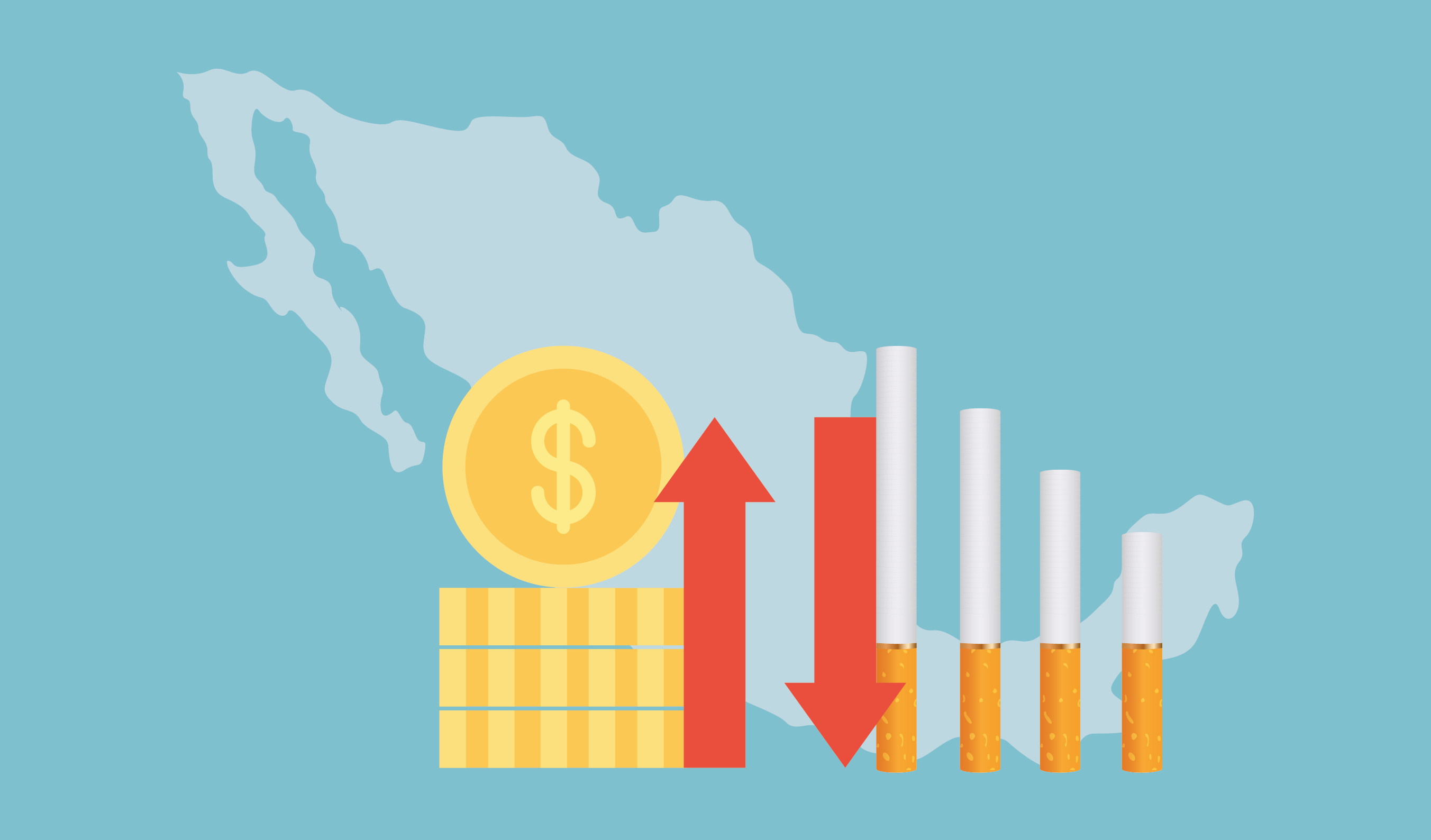
Mexico: Discussion on tobacco taxes
In Mexico, the specific taxes levied on tobacco to mitigate the negative externalities and internalities caused by tobacco consumption are still below the minimum recommended by the World Health OrganizationBoth the Value Added Tax (VAT) and the Special Tax on...
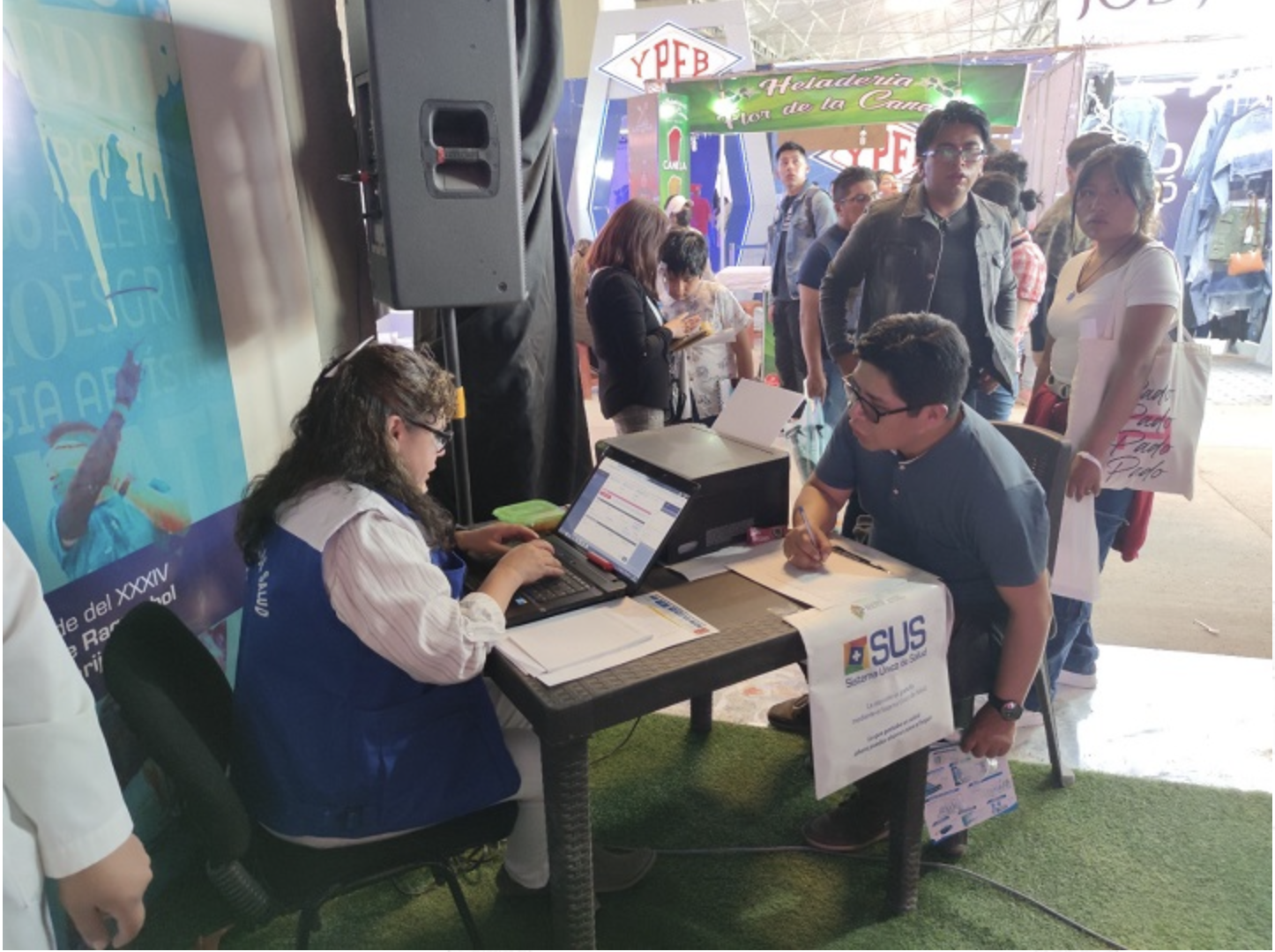
Bolivia: 7.4 million people enrolled in the Unified Health System
Children, women, young people and adults in Bolivia who do not have health insurance can register with their identity card and receive the benefits of the Unified Health System.According to statements made by the Deputy Minister of Health Insurance and Management of...
Extending financial protection by tackling non-financial barriers: A case study from Senegal
The case study focuses on health equity to identify promising approaches and strategies drawn from Senegal's experience to ensure more equitable financial protection, particularly for underserved and socially excluded populations.The aim of this case study in Senegal...

Is corruption a barrier to effective public financial management for health?
Corruption undermines efforts to achieve Universal Health Coverage. Combining anti-corruption efforts with well-designed PFM systems offers a two-pronged approach to achieving UHC.Corruption is a significant barrier to achieving Universal Health Coverage (UHC), which...
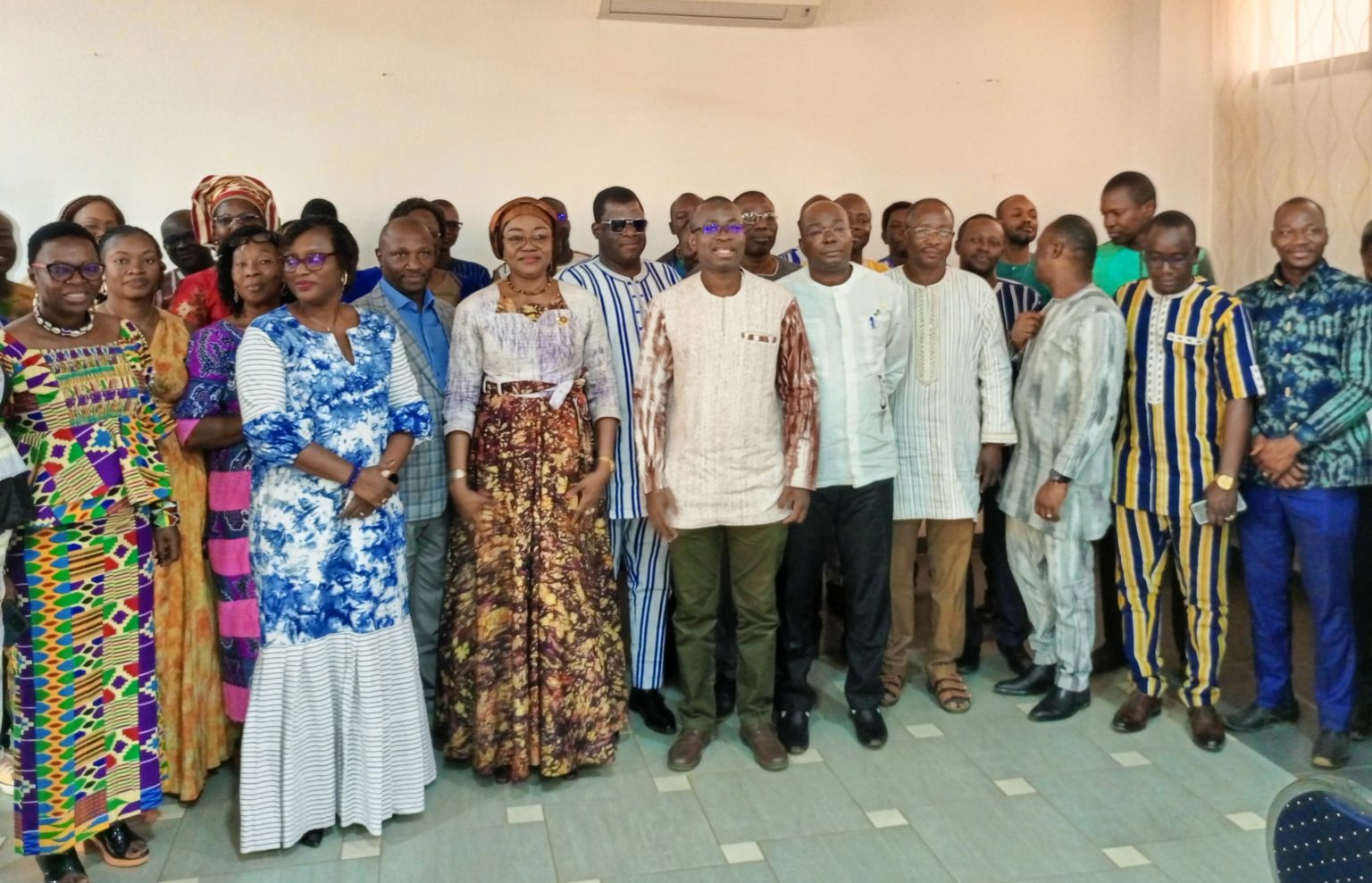
Making AMU operational: NGOs lobby parliamentarians
On February 28, 2024, the Permanent Secretariat of Non-Governmental Organizations (SPONG), with the support of UNICEF, held a meeting to inform, raise awareness, mobilize and engage parliamentarians in the operationalization of universal health insurance in Burkina...
Loi portant Régime d’assurance maladie au Burkina Faso
Long-Term Care Service Coverage: brief 4: Lessons for benefits package in LMI Setting
WHO Centre for Health Development Brief: Designing long-term care benefits entails clear needs assessment criteria, regular evidence-based revisions, and transparent administration to ensure equitable access, with higher needs levels receiving more comprehensive...
The economic effect of financial compensation in China’s healthcare system: comprehensive insights regarding supply and demand factors
In China, government funding affects healthcare costs differently depending on whether it's directed towards supply or demand, with regional variations in effectiveness. This study examines the impact of government subsidies on residents' health and healthcare...
Strategic Plan 2022-2026 of the Ministry of Social Affairs and Microfinance in Benin
This sector strategy will be offered to all players as a frame of reference to better target and organize their interventions in the short and medium term. Hence the need to adapt MASM's strategic plan not only to this imperative, but also to the directives of the Loi...
Financing Solutions for NCDs and Mental Health
This policy brief outlines the NCD Alliance's key priorities for the 2nd Global Dialogue on Sustainable Financing for NCDs and Mental Health (GFD2) organised by the WHO and the World Bank. The GFD2 aims to incorporate NCDs and mental health responses into national...

With a budget deficit, Hong Kong needs to optimise healthcare spending
Hong Kong should focus on strategic purchasing to boost primary healthcare to tackle the budget deficit in healthcare says a news report by the South China Morning Post. The article advocates for a reimagining of healthcare financing in Hong Kong, emphasizing the...
Pandemic response funding: Pandemic Fund, WHO, or a new entity?
Health Policy Watch discusses the debate on pandemic financing hosts, stressing the importance of evidence-based choices in article titled 'Who Will Finance Countries’ Pandemic Response: Pandemic Fund, WHO or a New Entity?'. This article, published by Health Policy...
Benin National Development Plan 2018-2025
Based on the Benin 2025 Alafia vision, the 2018-2025 National Development Plan incorporates new economic and social development challenges at national, African and international levels. The NDP 2018-2025 is structured around the following major themes: i) human...
Report on the analysis of inter-programmatic efficiency in health in Cameroon
This document has been prepared as part of the Inter-Programmatic Health Efficiency Analysis (CPEA) in Cameroon, conducted by the Ministry of Public Health with the support of the World Health Organization and the P4H network.The World Health Organization's (WHO)...