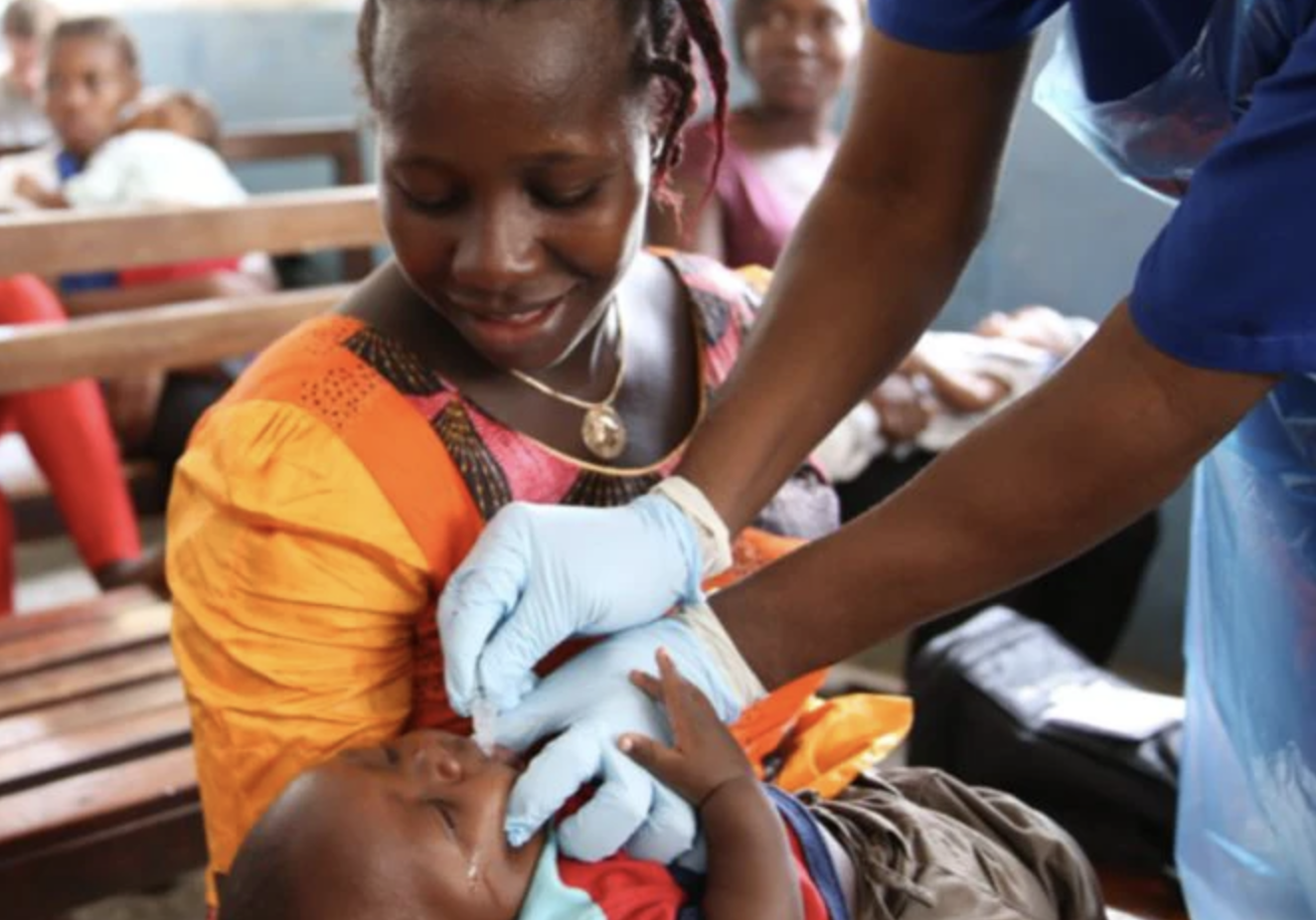
Tanzania’s government significantly increased primary health care (PHC) spending between 2021/22 and 2022/23, raising per capita expenditure and spending per outpatient visit. Despite this progress, current PHC spending remains well below global standards and the...

More Investment Is Needed In New Zealand Health System
New Zealand’s tax-based health financing has remained stable but historically underfunded, with spending below OECD peers. OECD data is unreliable due to lack of updates and GST distortions. Adjusted 2023 figures show ~10.2–10.4% of GDP, close to averages; shifting to...
Disease-specific distress healthcare financing and catastrophic out-of-pocket expenditure for hospitalization care in Bangladesh
This study examined out-of-pocket (OOP) expenditures for hospitalization in Bangladesh using data from the 2022 Household Income and Expenditure Survey covering 14,395 households. The average annual OOP cost per hospitalization was USD 418, nearly twice as high in...

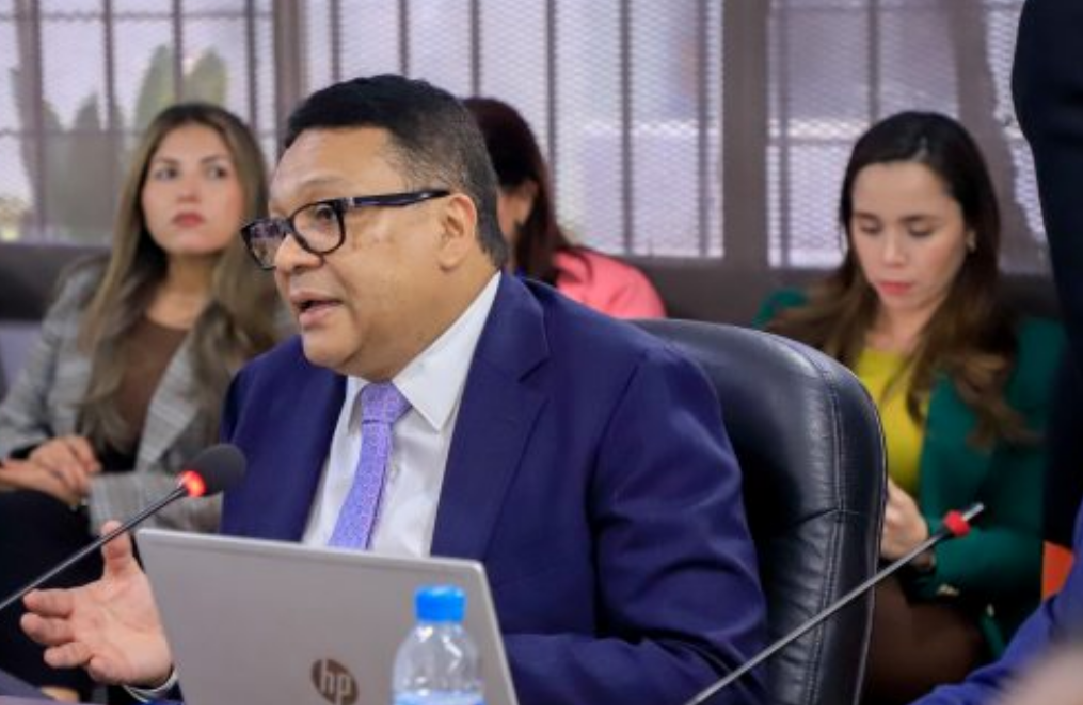
Panama’s National Assembly discusses 2026 health budget
Summary: The Budget Commission of the National Assembly of Panama met on September 16, 2025 to discuss the draft health budget for the year 2026.El 16 de septiembre 2025, la Comisión del Presupuesto de la Asamblea Nacional de Panamá se reunió para discutir el...
Saving lives, spending less: the global investment case for noncommunicable diseases
Noncommunicable diseases (NCDs) such as cardiovascular diseases, cancers, diabetes, and chronic respiratory illnesses are the leading causes of death worldwide, claiming millions of lives each year and placing immense strain on health systems. The World Health...

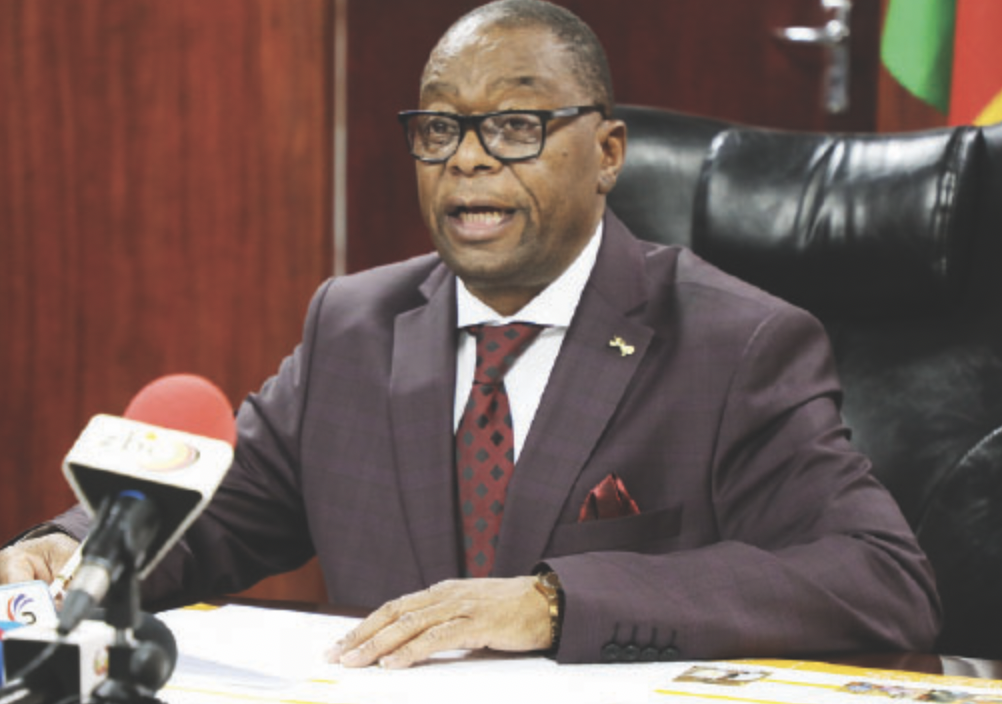
Cabinet set to review National Health Insurance Bill as Zimbabwe targets universal health coverage
Zimbabwe has finalised its National Health Insurance Bill, set for Cabinet approval and rollout by 2026. Funded through earmarked taxes, it guarantees full primary care coverage and scales up at higher levels, aiming to reduce out-of-pocket costs and ensure equitable,...

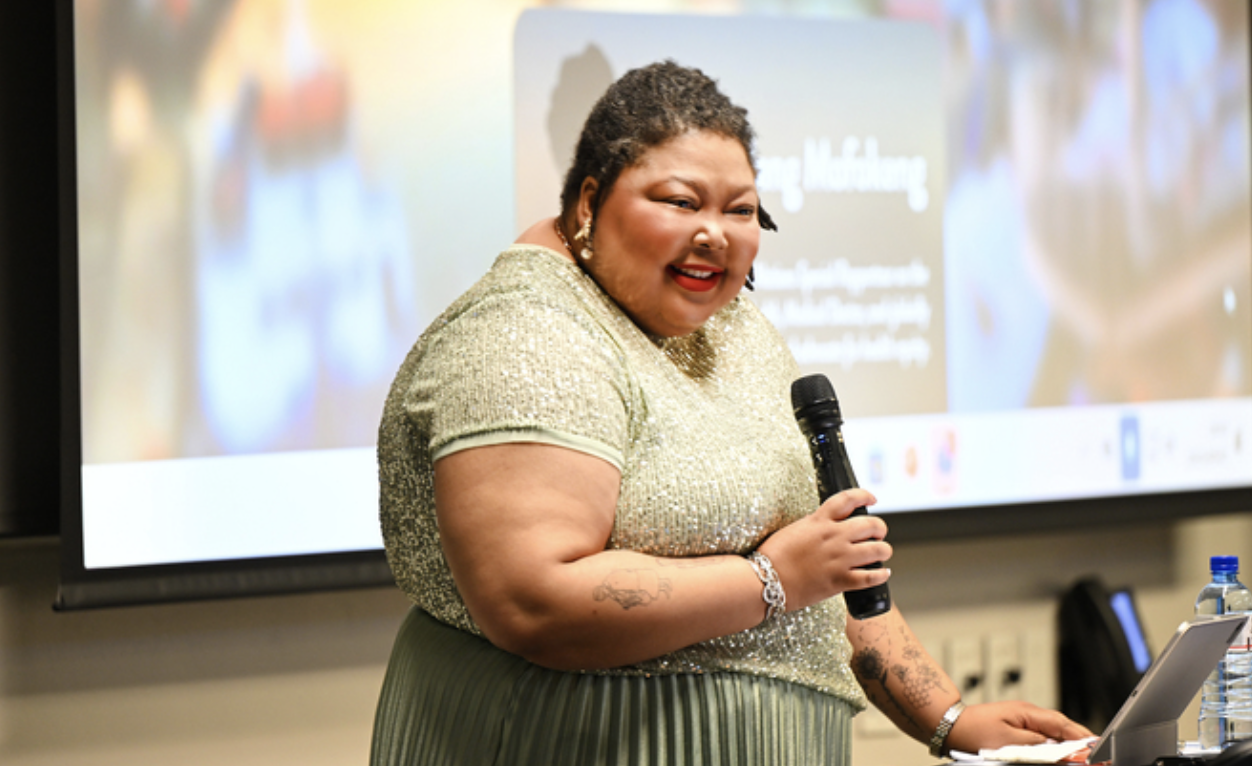
Lecture calls for universally dignified and equal healthcare access for Africa
UCT’s Global Health Lecture featured Dr Tlaleng Mofokeng, UN special rapporteur, who urged that universal health access in Africa must prioritize dignity, equity, and solidarity beyond clinics and budgets. She called on clinicians as rights defenders and on systems to...

Nigeria restates commitment to sustainable health financing, universal coverage
Nigeria boosted health spending from ₦434B (2018) to ₦2.4T (2024), now 5.18% of federal budget. New insurance reforms aim to enroll 4M citizens by 2030, reducing household health costs from 70%. Government targets universal coverage through innovative financing and...
Addressing public health and health system challenges in Greece: reform priorities in a changing landscape
Greece’s health system has faced mounting strain from ageing populations, chronic diseases, financial pressures, and shocks like COVID-19 and climate change, which have exposed deep structural weaknesses. Although multiple reforms have aimed to improve funding,...

Germany Debates Who Should Cover the Costs of Unhealthy Eating
Obesity is straining Germany’s health system, costing up to €90B yearly. With half of adults overweight, politics remain divided: conservatives trust markets, while Greens push sugar taxes and VAT reform. Experts say real change needs political courage, not just...

Healthcare and social welfare systems to merge under new plans in Estonia
Estonia plans to merge health and social care systems for better coordination, but interest groups fear rushed reforms could disrupt services, especially for vulnerable groups. Critics warn unclear funding and added bureaucracy may reduce access and strain providers....

Advancing universal health coverage in South Africa: A global imperative with local relevance
South Africa’s National Health Insurance (NHI) aims to advance Universal Health Coverage by addressing inequities between the well-resourced private sector and the underfunded public sector. While progress has been made, challenges persist, and WHO supports reforms to...
Can people afford to pay for health care? New evidence on financial protection in Czechia
Czechia exhibits lower catastrophic health spending than many EU countries, but the poorest quintile and older adults still face high out-of-pocket costs, primarily for outpatient medicines. Gaps in coverage—limited co-payment protections, inadequate adult corrective...

Nigeria to Host Health Financing Policy Dialogue In September
Nigeria will host a National Health Financing Dialogue in September to tackle low health investment, with households paying 76% of costs. The forum will push NHIA Act implementation, insurance expansion, and innovative financing, aiming to cut out-of-pocket spending...

Why Universal Health Coverage matters in West and Central Africa
At TICAD in Japan, UHC took center stage as Africa’s young, fast-growing population underscores the need for stronger health systems. Despite funding gaps and persistent risks, the World Bank and partners aim to expand access, boost resilience, and create jobs, with...