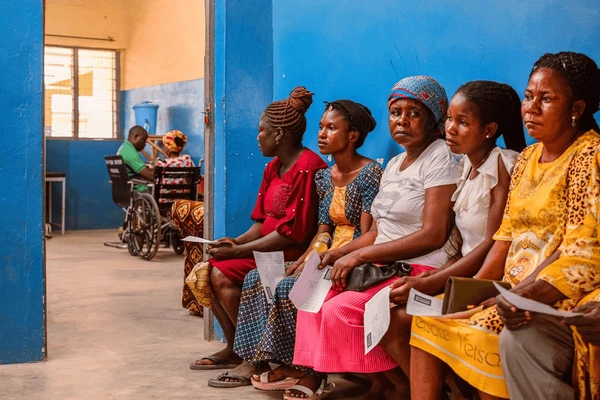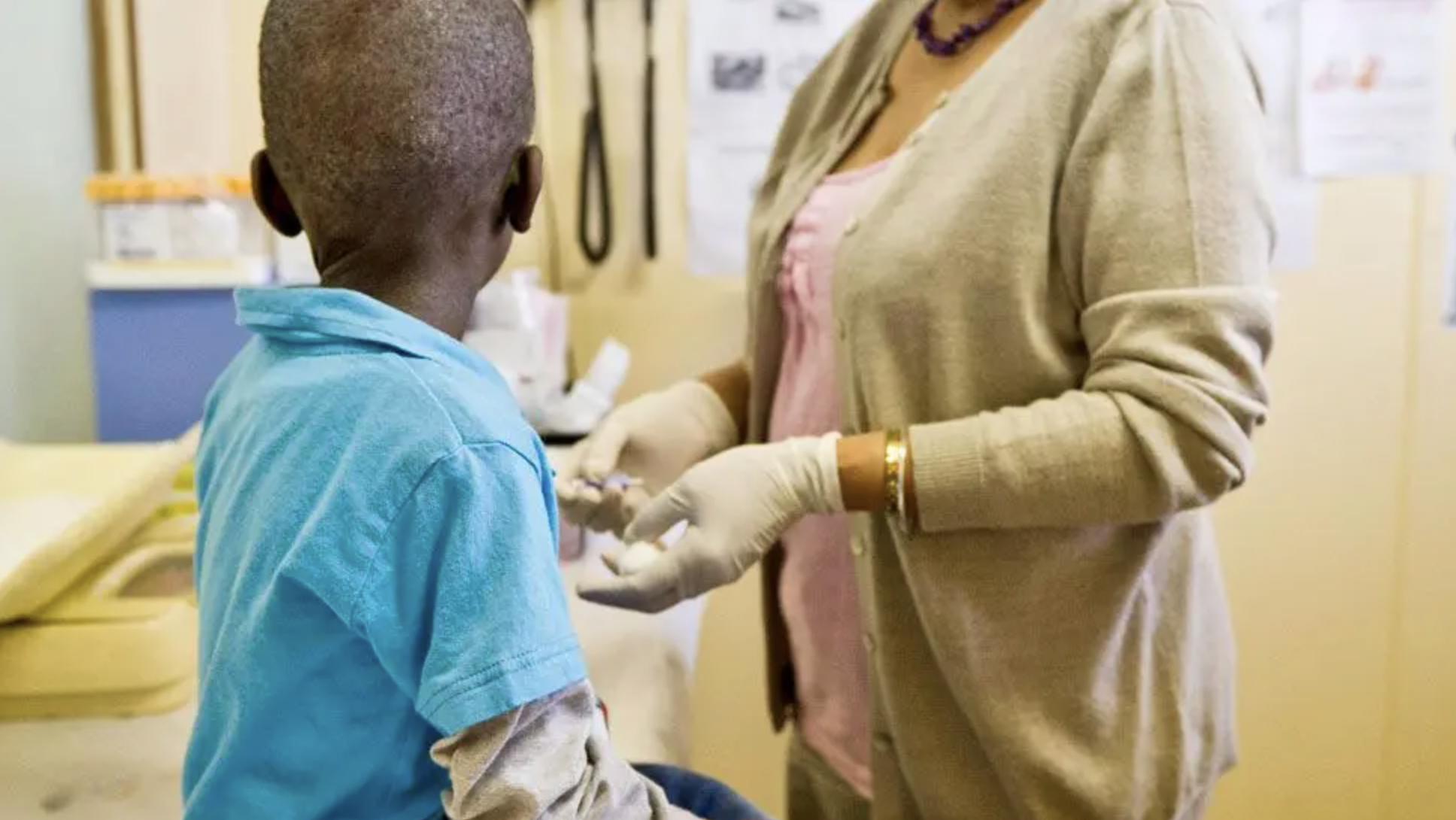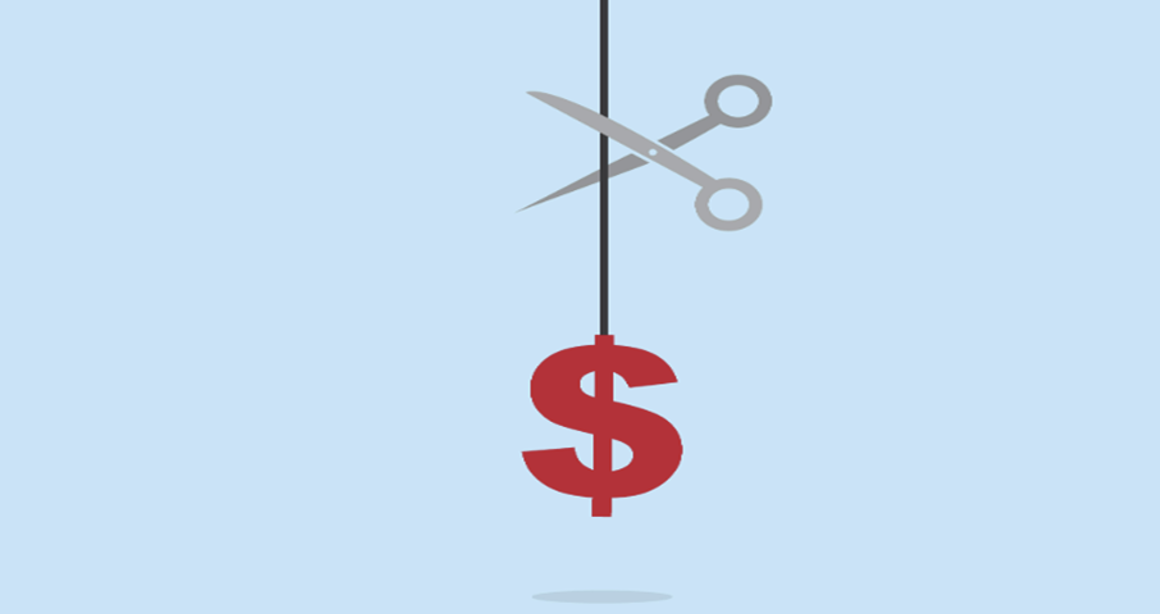
The World Health Organization (WHO) has released new guidance to help countries address the severe impact of global health financing cuts, which have reduced essential health services in many low- and middle-income countries (LMICs). External aid is projected to drop by 30–40% in 2025 compared to 2023, disrupting key services such as maternal health, vaccination, and disease surveillance.
Titled “Responding to the health financing emergency: immediate measures and longer-term shifts,” the guidance outlines policy options for countries to safeguard health systems, improve efficiency, and strengthen domestic financing. WHO urges governments to treat health spending as an investment in social and economic stability, not merely a budgetary cost.
Countries such as Kenya, Nigeria, Ghana, and Uganda have already increased domestic health funding or introduced fiscal reforms to sustain services. The guidance reinforces WHO’s broader commitment to universal health coverage (UHC) and equitable, resilient health systems through efficient use of national resources and stronger primary health care.