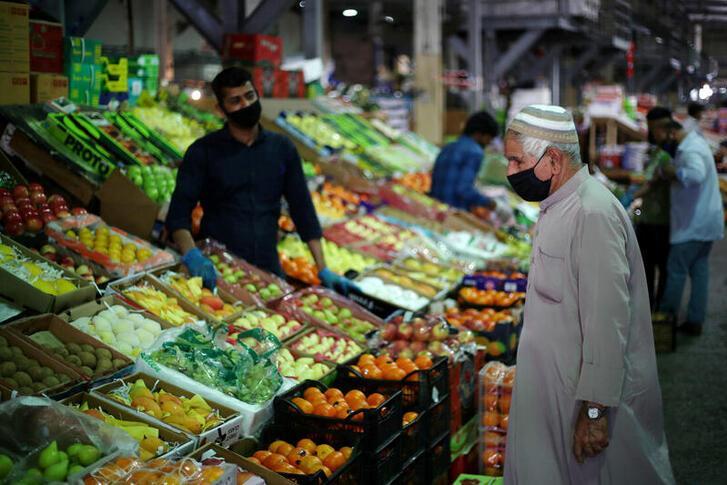
Bahrain is an island country in the Persian Gulf with a population of 1.5 million people. It Bahrain’s health system ensures all citizens and residents have access to quality health care services. Bahrain provides comprehensive care, including prevention, treatment and rehabilitation in both public and private facilities. Since 2000, the country has put in place public health policies, made changes to improve health care access and disease prevention and management, and seen socioeconomic development. At the same time, between 2000 and 2023, the country has seen an increase in life expectancy at birth from 75 years in 2000 to 81 years in 2023. The maternal mortality rate in 2023 (17 per 100,000 live births) was among the lowest in the world, and most births occur in hospitals.
According to the World Health Organization, the main causes of deaths in 2021 are ischaemic heart disease, followed by COVID-19, diabetes and stroke.
Delivery of health services
The Ministry of Health of Bahrain collaborates with the country’s National Health Regulatory Authority and the Supreme Council of Health to provide access to high quality, regulated and sustainable health care for all citizens and residents.
The National Health Insurance Programme, or, Sahti established under Bahrain’s National Health Assurance Law No. 23 of 2018, is designed to foster a resilient and high quality health care system that ensures sustainability, fosters investment, and offers individuals the freedom to select their preferred health care providers. This programme aims to uphold fairness and competitiveness in health care delivery while safeguarding the rights of all stakeholders. To enhance accessibility and convenience, the Bahraini government has introduced the Sahti mobile app, a digital platform that facilitates a range of health care services for citizens and residents.
The National Health Plan 2016–2025 states that Bahrain’s health system excels in coverage and quality, reflected in improved life expectancy and reduced mortality rates. However, the health system faces challenges such as rising health care costs due in part to advanced medical technologies, expensive medicines and a shortage of skilled professionals. Rapid population growth and an aging population further strain resources, especially with increasing incidence of chronic diseases. Opportunities lie in the National Health Plan 2016–2025 focus on patient-centred care, integrated services and digital health systems. Initiatives like social health insurance and unified health information platforms can enhance efficiency and support sustainability for accessible, high quality health care.
[1] Kingdom of Bahrain, National Health Plan 2016 – 2025
[2] World Health Organization, Global Health Expenditure Database, Health Expenditure Profile (choose country)