WHO and STATAFRIC are collaborating to improve how African countries track health spending and financial protection. Through regional workshops and shared data standards, the initiative builds capacity to generate reliable health statistics that inform policy, promote equity, and advance UHC in line with Africa’s broader development goals.
The World Health Organization (WHO) Regional Office for Africa and the African Union’s Institute for Statistics (STATAFRIC) are strengthening collaboration to enhance how African countries measure health spending and monitor financial protection. This partnership aims to improve the quality and comparability of health data, supporting evidence-based decision-making and progress toward Universal Health Coverage (UHC).
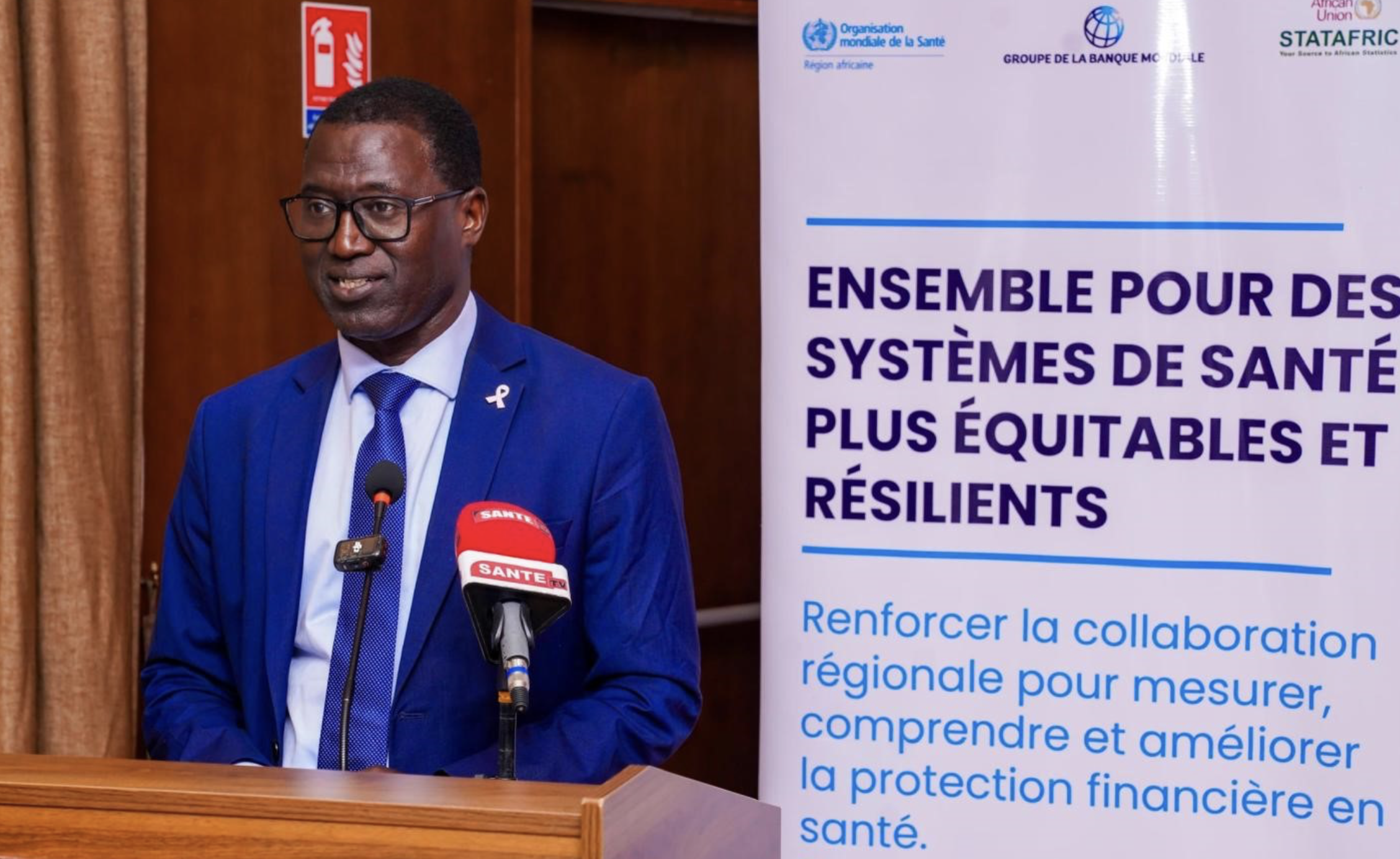
Through a series of regional trainings, countries are gaining practical skills to compile and interpret National Health Accounts using the System of Health Accounts (SHA 2011) framework. A 2024 workshop in Accra, Ghana, brought together representatives from 18 Anglophone countries to harmonize health expenditure reporting and foster cooperation between ministries of health and national statistical offices. In 2025, a similar workshop in Dakar, Senegal—co-organized with the World Bank—trained 25 francophone countries on using statistical tools like STATA to analyze financial protection and identify populations most vulnerable to health-related financial hardship.
The collaboration will expand in 2026 with additional capacity-building workshops for francophone and anglophone countries. This initiative supports the African Union’s SHaSA 2 strategy and Agenda 2063, reflecting a shared commitment to use reliable health data to strengthen accountability, guide smarter investments, and ensure equitable access to healthcare across Africa.