Oman is a high-income country with a per capita gross domestic product (GDP) of US$ 23,300 and a population of 4.6 million people in 2023. The World Bank Group reports that in 2022 Omanis had an average life expectancy at birth of 74 years, and noncommunicable diseases account for 67% of illness and death.
A system based on primary health care
In 1970, Sultan Qaboos bin Said Al Said led a series of reforms, with health care as a focal aspect of his agenda. His vision of a universal health care system with free primary health care for all Omanis formed the backbone of today’s health system in Oman.[1]
The Country Cooperation Strategy for WHO and Oman 2021–2025 describes Oman’s health system as having gone through three phases. The first phase (1976–1990) was directed at building the country’s health infrastructure. The second phase (1991–2005) focused on the development of various health system elements and their governance subsystems, with plans developed at central, regional and local levels. The third phase (begun in 2005), centers comprehensive health care coverage using high-level strategic planning to pinpoint and address specific needs.
The primary health care system in Oman provides access to a comprehensive health care package free of charge to all Omani citizens, and compulsory health insurance for expatriates advancing the country to fuller universal health coverage. The government in Oman owned and operated 60.2% of hospitals in the country in 2019. With increasing demand for health care, the government began expanding the role of the private sector and establishing a national accreditation system to strengthen the quality of care and patient safety in private institutions. [2]
High government health expenditure, low out-of-pocket spending
According to the Global Health Expenditure Database, per capita health expenditure increased by 58% between 2011 and 2021. However, current health expenditure (CHE) represented 4.4% of GDP in 2021, which was below the regional average of 9%. Nevertheless, out-of-pocket spending as a share of CHE was low at 6.1% in 2021, which means financial protection to Omani citizens was strong.
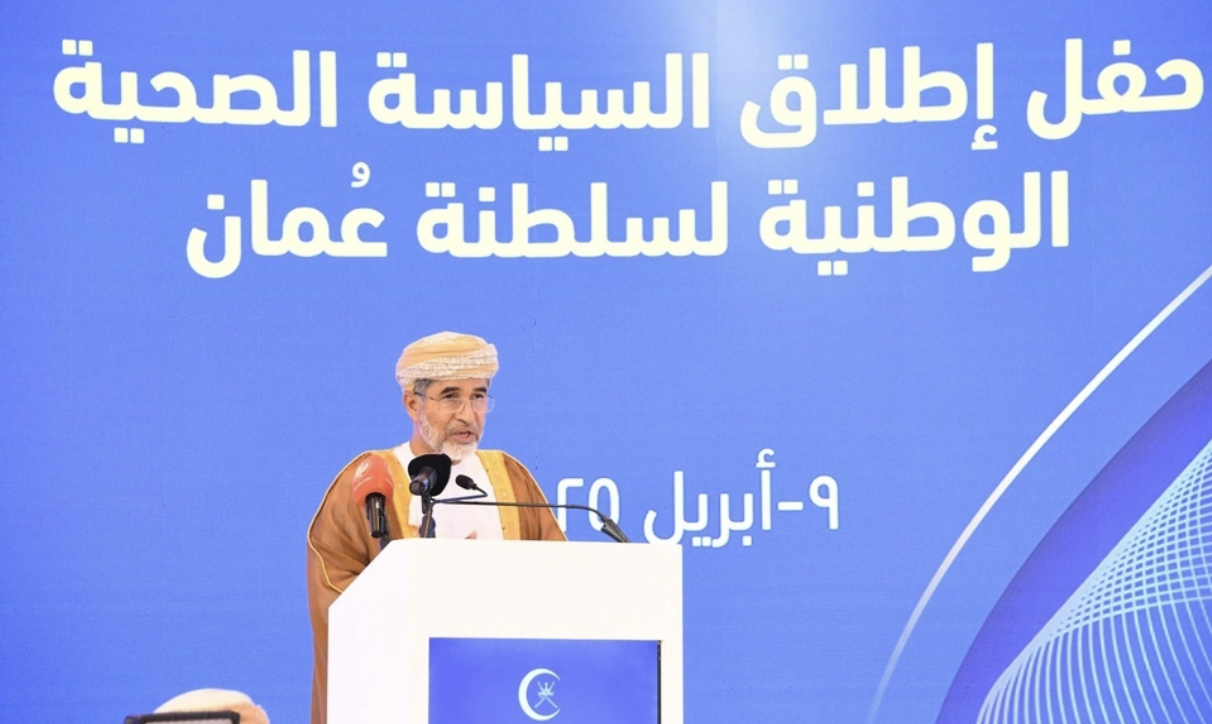
Oman Vision 2040 offers a new direction in the health sector, diversifying health care financing and supporting decentralized decision making, with the Oman Ministry of Health strengthening its steering and policy-making role within the sector and promoting the principle of health as an individual responsibility.
[1] Country Cooperation Strategy for WHO and Oman 2021–2025, page 6.
[2] Country Cooperation Strategy for WHO and Oman 2021–2025. Cairo: WHO Regional Office for the Eastern Mediterranean; 2021. Licence: CC BY-NC-SA 3.0 IGO.