The G20’s reference to the Lusaka Agenda signals growing global momentum for integrated, country-led health systems, but sustained action and investment are urgently needed, say Stine Håheim & Usman Mushtaq in Health Policy Watch.
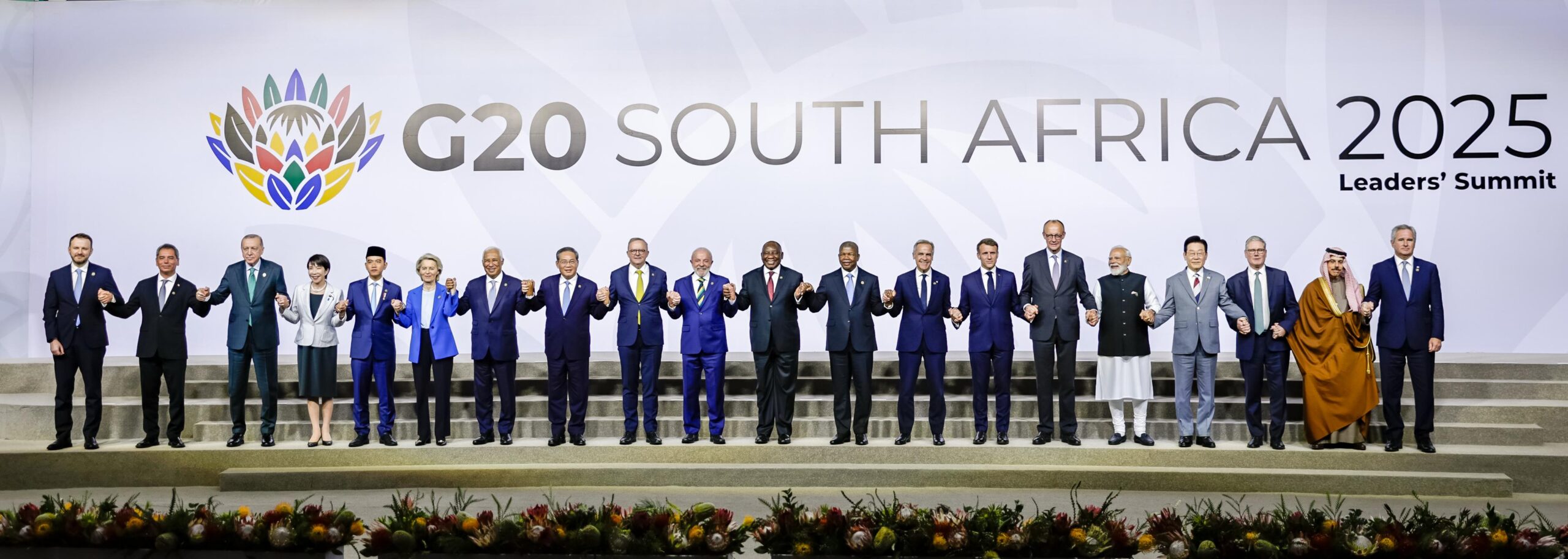
Health Policy Watch reports that the G20 Leaders’ Declaration has, for the first time, explicitly referenced the Lusaka Agenda, a country-led blueprint for integrated, resilient, and equitable health systems. The acknowledgement represents a major step forward for developing countries advocating for a fairer global health architecture that strengthens primary health care, boosts domestic financing, and prioritises national leadership.
However, the article underscores that political recognition must translate into tangible action. As donor funding declines and health needs grow increasingly complex, countries must move beyond fragmented, disease-specific approaches and work collectively to build systems that serve real population needs. Examples from Rwanda, Jordan, and the Philippines show that integration and strategic investment are both feasible and effective. Yet fragile and conflict-affected states still require strong global solidarity to advance these reforms.
The authors highlight the shared leadership of South Africa and Norway in pushing for universal health coverage, strengthened local production of medical products, and smarter, more equitable health financing. With the world entering a new era of pandemic preparedness and system reform, the message is clear: meaningful progress demands political will, coordinated action, and a shift from declarations to Lusaka Deliverables that put vulnerable populations first.