This paper examines health financing options for achieving Universal Health Coverage (UHC) in the Republic of Congo, focusing on domestic and external resource mobilization. It highlights the challenges Congo faces, including a significant financing gap, slow...

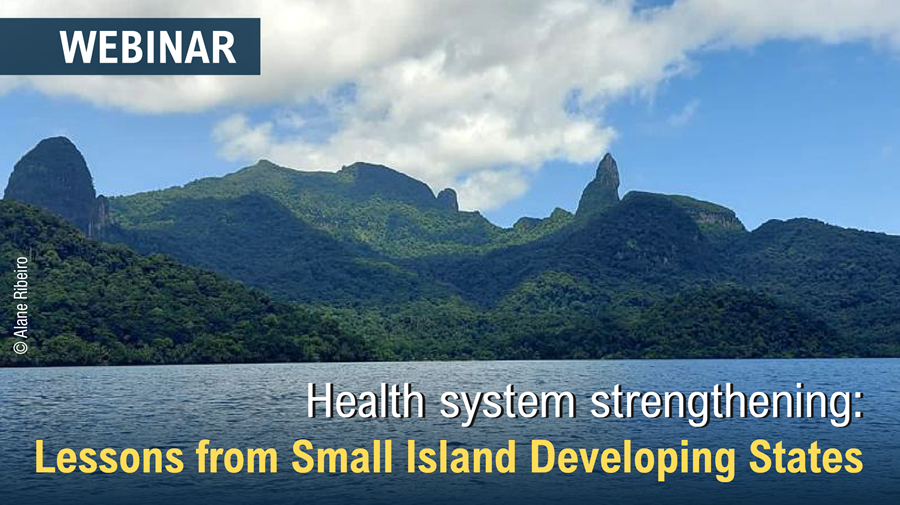
HGF Webinar on health systems strengthening: Lessons from small island developing states
The WHO Health Systems Governance and Finance Webinar Series presents a webinar titled, 'Health systems strengthening: Lessons from small island developing states' on Wednesday, July 5, 2023 at 8 PM CET (July 6 2023, 6 AM Fiji Time).Health System strengthening,...
Banking on Health: The surging pandemic of health financialization
Report by the Society for International Development tells the story of how finance has gained unprecedented influence over our lives, subjugating health goals to shareholder values, market fluctuations and failures.Health financialization has surged in the last 30...
National Health Systems Strategy for Malta 2023-2030
The document outlines the strategic direction being pursued by the Maltese Government to ensure that health features as a key priority across all other national policies, sectors, and investments. It sets out the framework that anchors the vision for the development...
Germany: health system summary 2022
Germany’s decentralized health system operates under compulsory statutory health insurance (SHI) and substitutive private health insurance (PHI), with broad, equitable benefits and low out-of-pocket costs, spending 11.7% of GDP on health—the highest among EU...
Supporting Health-Care Financing Reform in Mongolia: Experiences, Lessons Learned, and Future Directions
Mongolia's healthcare financing reform has introduced health insurance and shifted to an output-oriented model, aligning with a market economy. The Asian Development Bank’s support offers valuable lessons for other countries in the region. The Asian Development Bank’...
Strategy for building resilient health systems and recovery in post-pandemic COVID-19 to sustain and protect public health gains.
UHC for sexual and reproductive health in Morocco: evidence brief
Morocco is increasingly recognizing the importance of integrating comprehensive sexual and reproductive health services within its universal health coverage framework. Maternal health care, including antenatal, intrapartum, and postnatal services, is prioritized...
Strategic Purchasing Arrangements in Uganda and Their Implications for Universal Health Coverage
Uganda's mixed health financing system creates challenges for achieving universal health coverage but offers opportunities for improvement through better resource pooling and provider autonomy.A new research article published in the Health Systems and Reform Journal...
Health system performance in Iran: a systematic analysis for the Global Burden of Disease Study 2019
This study analyzed Iran’s national and subnational disease burden from 1990 to 2019 using data from the Global Burden of Disease Study 2019. Life expectancy increased to 79.6 years for women and 76.1 years for men, while the total DALYs remained relatively stable at...

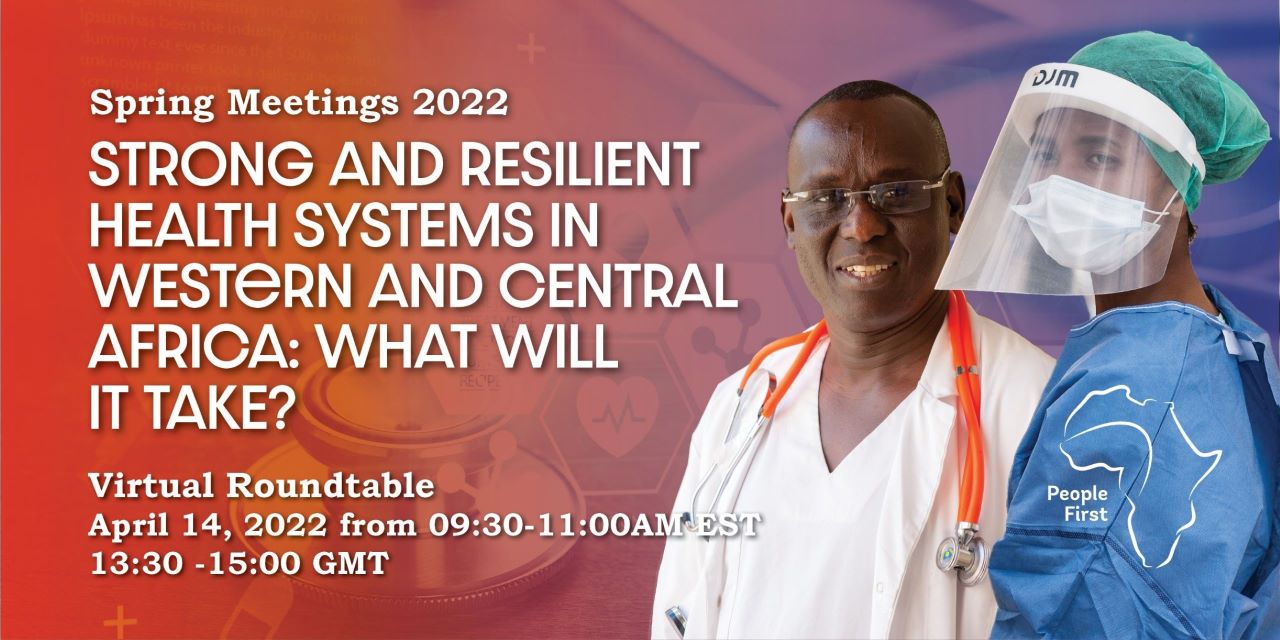
Virtual Roundtable: Strong and resilient health systems in Western and central Africa: What will it take?
The Western and Central Africa Region and the Heath Nutrition and Population Global Practice of the World Bank are jointly organizing a high level roundtable on Strong and Resilient Health Systems in West and Central Africa during the 2022 WBG-IMF Spring Meetings....
COVID-19 and progress towards achieving universal health coverage (UHC) in Nigeria
Nigeria like other low and middle-income countries made a commitment towards attaining UHC by 2030. The arrival of COVID‐19 poses additional pressure on the already weak health system, which in turn affects the provision of other equally important essential health...
Health Sector in Yemen – A World Bank Policy Note 2021
Yemen’s health sector is in crisis due to prolonged conflict, economic decline, and institutional collapse, with only half of health facilities fully functional and most people struggling to access essential services. Shortages of healthcare workers, equipment, and...
Kiribati: National Health Strategic Plan 2020 – 2023
The National Health Strategic Plan (NHSP) for Kiribati outlines a vision of "A Healthy Population Supported by Accessible, Equitable, and Quality Health Care Services." It prioritizes non-communicable diseases, maternal and child health, and health system...
Germany: health system review 2020
Germany boasts a high life expectancy of 81 years, with cardiovascular diseases and cancers as leading causes of death, influenced significantly by lifestyle factors such as diet, alcohol, and smoking. The country spends heavily on health—11.7% of GDP—with universal...